



Imagine a typical Monday morning at your company. Dozens of orders or forms have come in over the weekend from your e-commerce site or web platform. Great news, right? Business is growing!
But when we look at the reality in the office, the scene isn’t so pleasant: Someone from your sales team is copying data from the website and pasting it into the CRM (Customer Relationship Management) system. Your accounting employee is looking at the CRM and re-entering the same names into the e-Invoice portal to issue invoices. Meanwhile, the logistics or operations team is typing the same customer information for the third time on another screen to generate shipping barcodes.
Congratulations; your company hasn’t digitized, you’ve just moved data entry from paper to screen. In the business world, this is called "Swivel Chair Integration": An employee takes data from one screen, swivels their chair, and manually enters it into another screen.
So, why are you making your staff spend hours on "copy-paste" instead of letting them focus on their actual jobs (selling, ensuring customer satisfaction, developing strategy)? This is where the invisible heroes of the software world, API (Application Programming Interface) integrations, come into play.
What is an API and Why is it Your Company’s Digital Nervous System?
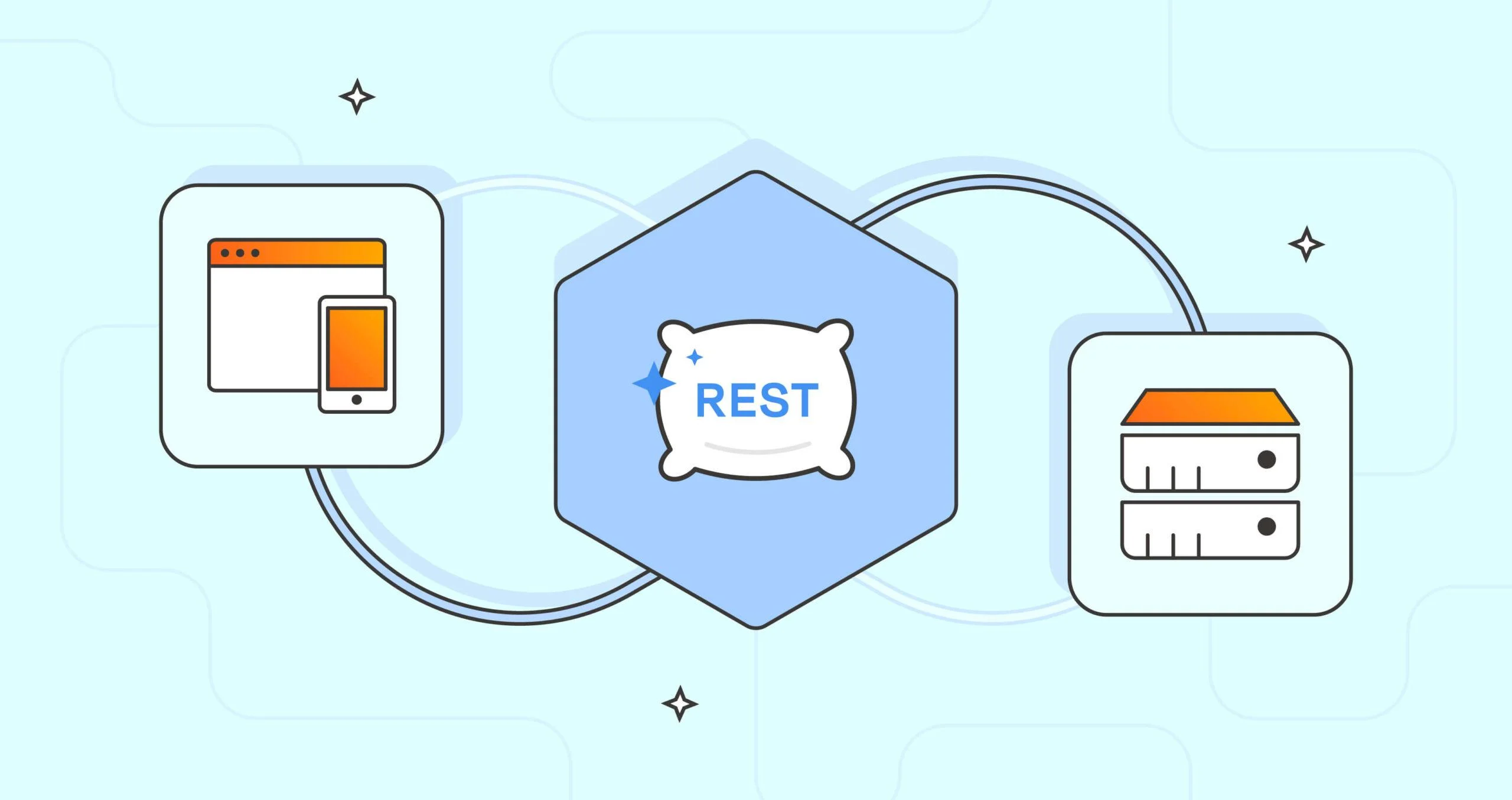
In the simplest terms, an API is a digital translator that allows two software systems speaking different languages to understand each other. A well-designed API architecture ensures that data flows between systems at the speed of light, error-free, without human intervention.
If your systems aren’t communicating, your company is drowning in data silos. Let’s examine the chaos caused by the lack of APIs and the power of proper integration with examples from different sectors:
1. Data Flow in Education and HR Platforms
Let’s say you have an education platform that analyzes students’ LGS/YKS deficiencies or offers gamified coaching programs for human resources. When a user (student or employee) completes a test on the platform, the result should instantly appear on the admin dashboard, trigger an AI-powered analysis module, and automatically send a PDF report to the parent/manager. If your exam module, analysis module, and email server aren’t connected via clean APIs, you’ll have to manually pull these reports and merge them in Excel every day. This translates to hundreds of hours of lost work each month.
2. Reservation and Operational Processes
Imagine you have a local car rental (rent a car) company or a sports tourism agency. When a customer reserves a car or hotel on your website, the system shouldn’t just process the payment. Thanks to APIs, this information should instantly appear in your fleet management panel, mark the car as "occupied," alert the operations team with a "Airport delivery" notification, and draft an invoice for pre-accounting. This automation, which happens in seconds, completely eliminates cancellations and "double booking" crises.
3. Industrial Automation and Hardware Integration
Software isn’t just about websites. Consider a Antalya license plate recognition system installed at a factory entrance. The camera can perfectly read the license plate, but if its software can’t communicate with the factory’s HR (Human Resources) or ERP (Enterprise Resource Planning) system via API, that camera is just an expensive camera. Proper API integration recognizes the vehicle, starts the employee’s shift, opens the barrier, and logs the entry in the security log instantly.
Why Does a Poorly Designed API Leave You Halfway?
Many business owners come with the complaint, "We connected our site to accounting, but it keeps disconnecting." This is because integrations done with ready-made plugins or amateurish code give "Timeout" errors when system traffic increases.
A bad API integration:
- Transfers data incompletely or duplicates it (e.g., invoicing the same customer twice).
- Slows down your site incredibly (because heavy queries waiting for responses run in the background).
- Creates security vulnerabilities (when token or authentication systems aren’t set up correctly, your data can leak).
Time to End Digital Drudgery: The Baksoft Arge Approach
So, how much longer will you budget for these data entry operations that steal at least 40-50 hours a month from your staff, demoralize them, and increase error rates?
For a business to grow, its systems must be scalable. Antalya software and technology ecosystem, located in Antalya Technopark, Baksoft Arge doesn’t just design software as visually appealing pages on a screen. We build robust API architectures that ensure all the gears in your business background work like a Swiss watch, perfectly synchronized.
Whether it’s a custom web portal we’ve developed from scratch or secure bridges connecting your existing systems to the outside world, we ensure your data flows freely and securely. Your company needs brains that analyze data and develop strategy, not staff stuck in "copy-paste" mode.
Let your systems handle the boring, repetitive, and exhausting tasks by talking to each other. You just focus on growing.